Florida milestone inspection exterior cleaning explained: how a documented drone soft wash prepares condo facades for engineers and strengthens SIRS records.
What Florida’s milestone inspection law requires
After the 2021 condominium collapse in Surfside, Florida enacted statewide structural safety reforms for condominium and cooperative buildings three stories and taller. The centerpiece is the milestone inspection: a structural review by a licensed engineer or architect, triggered when a building reaches a threshold age — generally in the 25-to-30-year range, with earlier triggers for buildings closer to the coast — and repeating on a set cycle afterward. The exact ages, phases, and filing requirements have been adjusted since the original legislation and vary with location, so associations should confirm current obligations with their municipality and legal counsel rather than rely on any summary.
The inspection itself proceeds in phases. The first phase is fundamentally visual: the engineer examines the building’s load-bearing elements and envelope — facade, balconies, exposed structure, waterproofing — for signs of substantial deterioration. Only if that visual pass raises concerns does the process escalate to more invasive testing. That structure has a direct implication most boards miss: the milestone inspection begins as an exercise in what the engineer can see.
Where the Structural Integrity Reserve Study fits
Alongside milestone inspections, Florida associations must complete a Structural Integrity Reserve Study — a funded, engineer-informed plan for the building’s major structural and envelope components: roof, structure, waterproofing, exterior painting and finishes, and related systems. The SIRS forces boards to treat the envelope as a scheduled asset with a maintenance budget, not a problem to be deferred until it becomes a special assessment.
This is where routine, documented exterior cleaning earns its place in the association’s records. A facade that is soft-washed on a regular cycle, with dated imagery on file for every cleaning, gives the reserve-study professional real data: how the finishes are aging, when coatings were last performing, where staining recurs. It also demonstrates to insurers, lenders, and prospective buyers reviewing association documents that the envelope is actively maintained — a distinction that increasingly carries financial weight in Florida’s condo market.
Why a clean envelope changes what the engineer sees
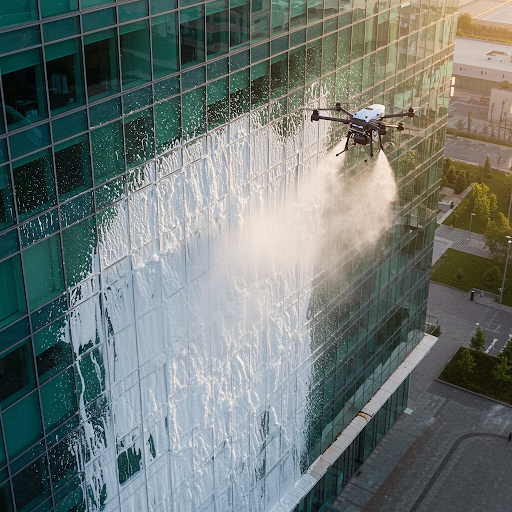
Florida’s climate coats buildings in biological growth faster than almost anywhere in the country. Algae, mildew, and salt film do not just look bad — they conceal exactly the indicators a milestone inspector is trained to find: hairline cracking in stucco and concrete, rust staining that signals corroding reinforcement, efflorescence marking water migration paths, sealant failure at joints and penetrations. On a heavily soiled facade, the engineer is reading the building through a filter.
Cleaning before the inspection removes that filter. It also front-loads discovery in the association’s favor: when the wash exposes a condition worth attention, the board learns about it on its own timeline, with room to consult its engineer calmly — rather than encountering it for the first time inside a phase-one report. And because the milestone report is heavily photographic, a freshly cleaned envelope produces documentation that reflects the building’s actual condition instead of its dirt.
How drone soft washing serves inspection-age condos
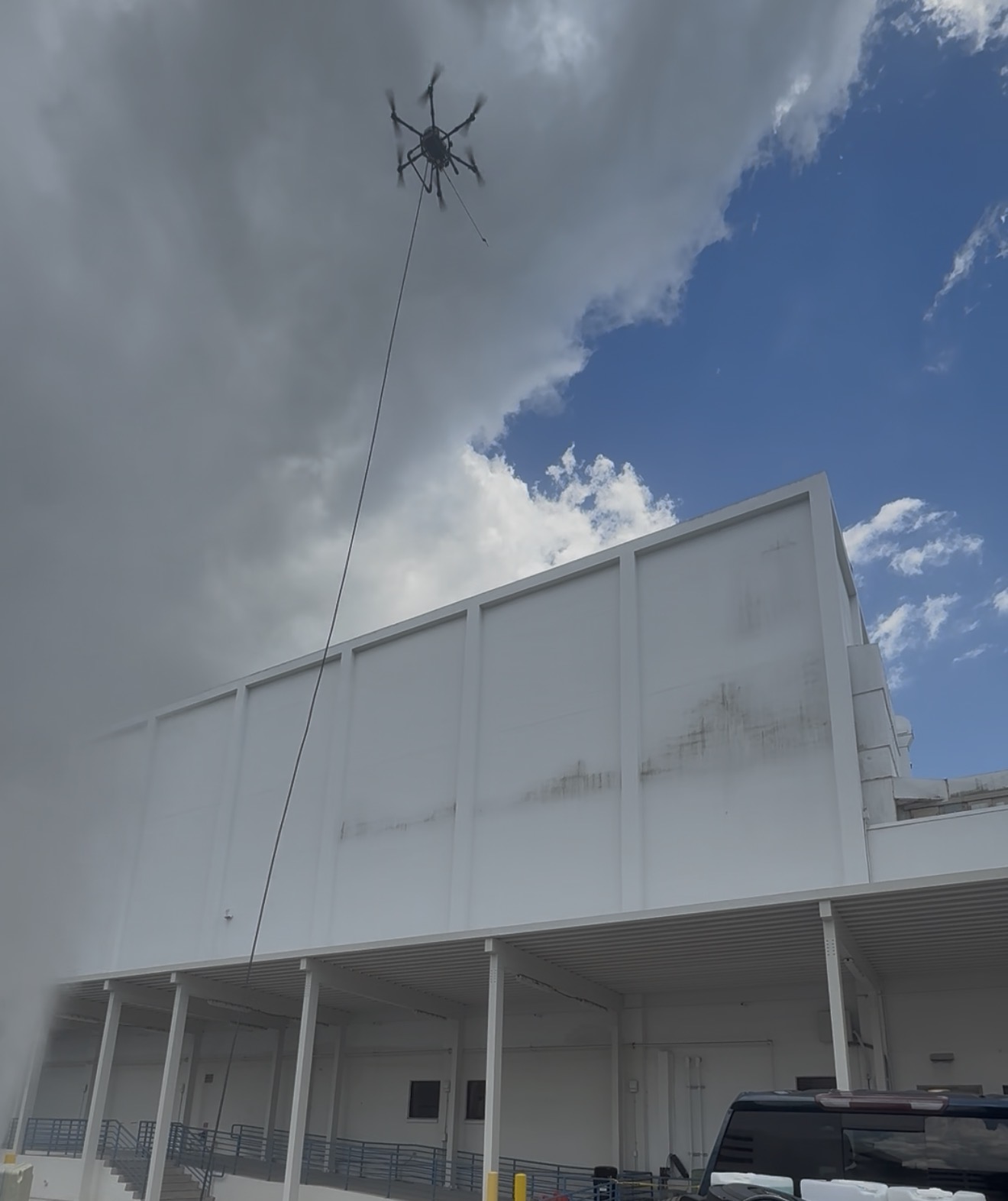
Buildings old enough for a milestone inspection are fully occupied and often on tight association calendars. Drone cleaning fits that reality: the crew works entirely from the ground, mobilizes in hours rather than the weeks scaffolding requires, and never bolts rigging or anchors to a structure whose load elements are about to be professionally examined. Residents see a drone making steady passes for a day or two — not swing stages outside their windows for a month.
The wash itself is chemistry-led. A biodegradable, surface-matched soft-wash solution is applied at low pressure, allowed to dwell so it breaks down growth at the source, then rinsed. That approach is deliberately gentle on the substrates that matter at inspection age — weathered stucco, painted concrete, aging sealant joints — where high-pressure washing can force water into the very cracks the engineer will be looking for. On urban sites, job planning led by an FDEP-trained Qualified Stormwater Management Inspector covers wash-water management, and our team holds FDOT Temporary Traffic Control Advanced certification for projects where sidewalks or lanes sit beneath the work zone.
Building a maintenance record your association can stand on
Every StratoClean project closes with dated before-and-after imagery of each elevation and close-range photographs of anything notable the flight revealed. For an association, that package does three jobs at once: it prepares the envelope for the engineer, it feeds the SIRS with real observations about finish condition, and it adds a dated maintenance entry to the official record that future boards, buyers, and insurers will read. We do not diagnose structural conditions — that is the engineer’s role — but we make sure nothing the camera can see goes unrecorded.
Frequently Asked Questions
Should a condo association clean the building before a milestone inspection?
Yes. The first phase of a milestone inspection is visual, and Florida facades accumulate algae, salt film, and staining that hide cracking, rust bleed, and sealant failure. Cleaning first gives the engineer a readable envelope, produces accurate report photography, and often surfaces conditions early enough for the board to address them on its own timeline.
What buildings need a Florida milestone inspection?
Generally, condominium and cooperative buildings three stories or taller, once they reach a threshold age — commonly in the 25-to-30-year range, with earlier triggers for buildings nearer the coast — and on a repeating cycle afterward. The specifics have been amended since 2021 and vary by location, so confirm current requirements with your municipality and counsel.
Is exterior cleaning part of the Structural Integrity Reserve Study?
Cleaning is not a reserve component itself, but documented cleaning directly supports the SIRS. Dated imagery from regular washes shows how paint, finishes, and waterproofing are aging, which gives the reserve-study professional real data and demonstrates active envelope maintenance in the association’s records.
Why use a drone instead of scaffolding on an inspection-age building?
Speed, occupancy, and the structure itself. Drones mobilize from the ground in hours, keep equipment off residents’ windows, and attach nothing to the building — no roof anchors or swing-stage rigging on a structure whose load elements are about to be examined. The low-pressure soft wash is also gentler on aging stucco and sealants than pressure washing.
Can soft washing damage an older facade?
Soft washing exists precisely to avoid that. It cleans with a biodegradable, surface-matched solution at low pressure — chemistry rather than force — so it does not drive water into cracked stucco or open joints the way high-PSI washing can. Substrates are assessed before cleaning and the solution is matched to each material.
What documentation do we receive for the association’s records?
A dated package: before-and-after imagery of every elevation, close-range photos of anything the flight revealed — crack patterns, staining, spalled edges — and a summary suitable for forwarding to your engineer or including with SIRS materials. It becomes a permanent maintenance entry in the association’s file.
Related Services & Areas
- 40-year recertification exterior cleaning in Miami
- high-rise and condo exterior cleaning programs
- drone building and facade cleaning
- how drone building cleaning works
- soft wash chemistry explained
- all drone cleaning services
Get a Straight Answer for Your Building
Tell us what you’re maintaining and we’ll tell you exactly how we’d clean it — method, timeline, and a firm number. Call (786) 244-0640, email info@stratoclean.com, or get an instant roof quote online.
SB-4D and SB 154: why milestone inspections now drive exterior cleaning
Florida’s post-Surfside condo safety laws (SB-4D, refined by SB 154) require milestone structural inspections for condo and co-op buildings three stories and taller — at 30 years, and every 10 years after. An engineer can’t assess what they can’t see: biological growth, grime, and staining hide spalling, cracks, and corrosion staining. Cleaning the envelope before the inspection means the report reflects the structure, not the dirt.
StratoClean’s milestone-prep cleaning is built for this: touchless drone soft wash that won’t dislodge distressed material, quality control led by a civil engineer with 30 years of concrete experience, FDEP stormwater-qualified runoff handling, and self-performed FDOT maintenance-of-traffic for street-fronting elevations. The result is a surface an inspector can actually read.